もうひとつの花見|A SEED of THOUGHT
Observe the Blossoms — Texture, Weight, and Visual Language
日本語訳を見る
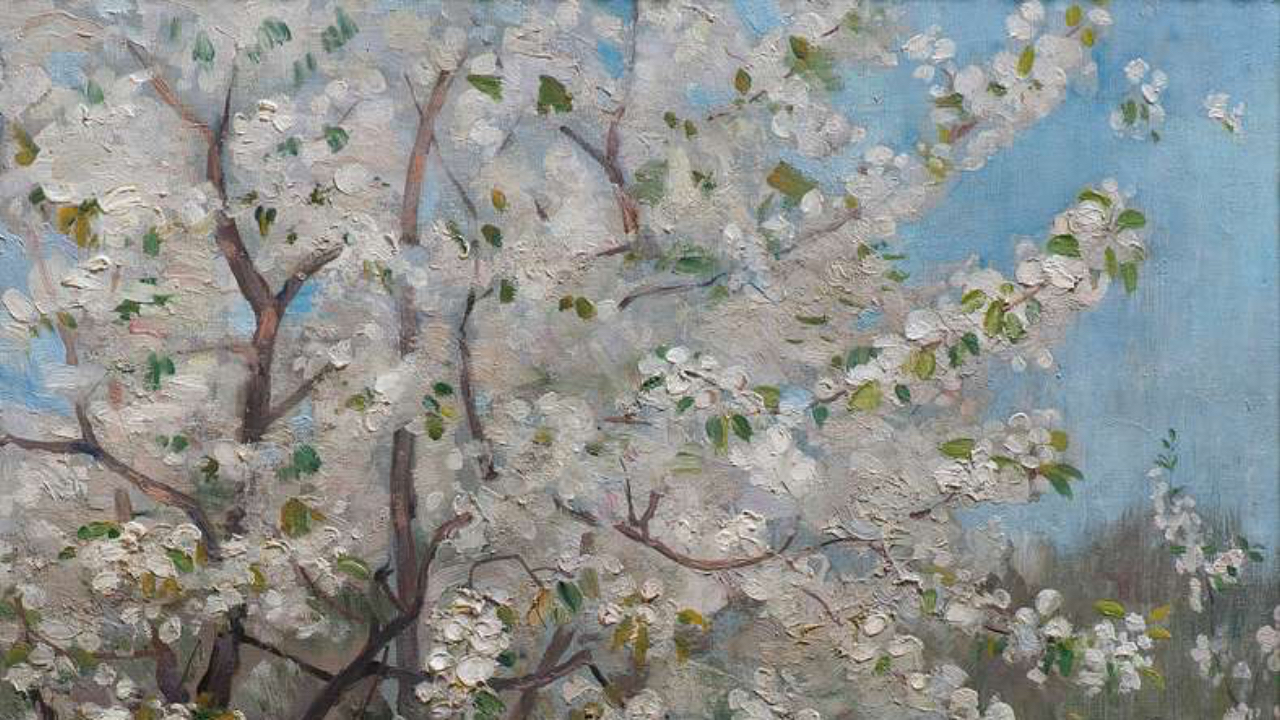
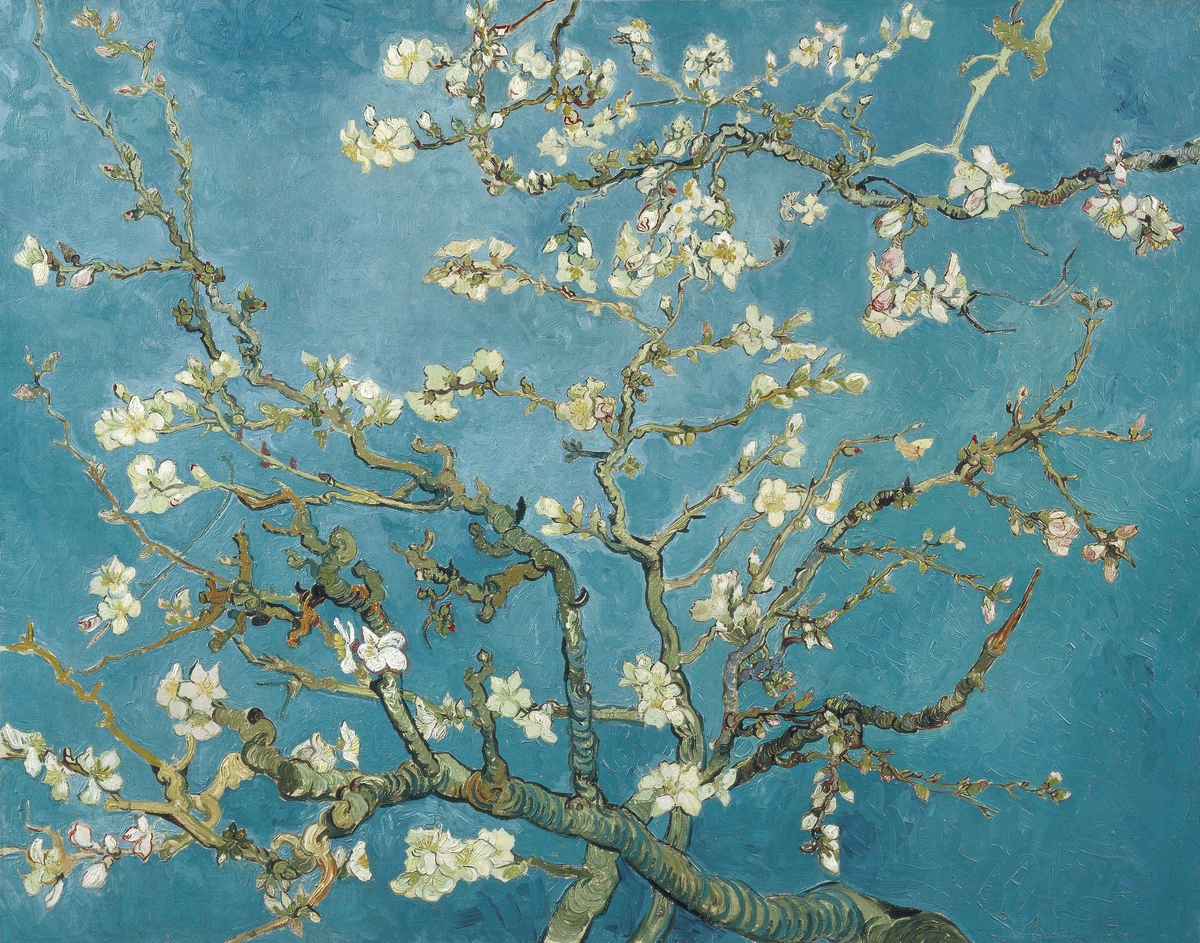
まずは、このイメージの前にとどまってみてください。
すぐに通り過ぎず、色やコントラスト、そしてそこにある静けさに目を慣らしていきます。
ここでは何が捉えられているのでしょうか――しかも、それはどのように表現されているのでしょうか。
筆致に目を向けてみてください。空の平面的な感じに対して、花の鮮やかさがどう浮かび上がっているか。枝にはある種の重みがありながら、花はどこか、ほのかに光を帯びた、つかのまのもののようにも感じられます。
そこには触れられそうな質感があります――まるで表面に手を伸ばせば、その向こうに季節そのものが感じられそうなほどに。
では、今度は自分の内側へと向かってみましょう。
この絵は、あなた自身の早咲きの花の感覚を映しているでしょうか。どこで何か本当のものを言い当てていると感じ、どこで少し違うと感じるでしょうか。
そして、それを言葉にしてみてください。
実は、これは桜ではありません。フィンセント・ファン・ゴッホのAlmond Blossoms(1890)です。そう知ったとき、この絵への感じ方は変わるでしょうか。最初から、どこか何かが少し違うと感じていたでしょうか。
First, sit with this image.
Do not rush past it. Let your eyes settle into the color, the contrast, the stillness.
What is being captured here—how?
Notice the stroke. Notice the vibrancy against the flatness of the sky. Notice how the branches carry a kind of weight, while the blossoms have an ethereal glow.
There is a tactile quality to it—as if the surface could be touched, and the season itself felt through it.
Now turn inward.
Does this reflect your experience of early blossoms? Where does it elucidate something true—and where does it fall short?
Then begin to name it.
In fact, these are not cherry blossoms at all. The piece is Vincent van Gogh's Almond Blossoms (1890). Knowing this, does your feeling toward the painting change? Did you know that something wasn't quite right from the get-go?
語彙の日本語ヒントを見る
視覚的な描写だけでなく、「触感」や「印象の重み」を言葉にするための語群です。作品を見るとき、自分の感覚を整理し、言語化するために使います。
質感・手触り
筆致・一筆の動き
対比・コントラスト
鮮やかさ・生き生きとした感じ
触覚的な・手で感じられるような
感情的な反応
引き込む力・惹きつける感覚
感情の重み
平面的な印象
捉える・表現する
明らかにする・言い表す
はかない・一瞬の
A Second Lens:
日本語訳を見る
次は、北斎を見てみましょう。
流れが模様のように繰り返され、色数は抑えられ、全体は整えられた風景として置かれています。こうしたところに、「日本らしさ」のイメージは長く力を得てきました。
そこには、また別の感情の重みがあるでしょうか。こちらの方が、より疲れを感じさせるでしょうか、それともそうではないでしょうか。
どこでこちらを引き込み、どこで少し距離を保たせるでしょうか。
Now, shift to a Hokusai.
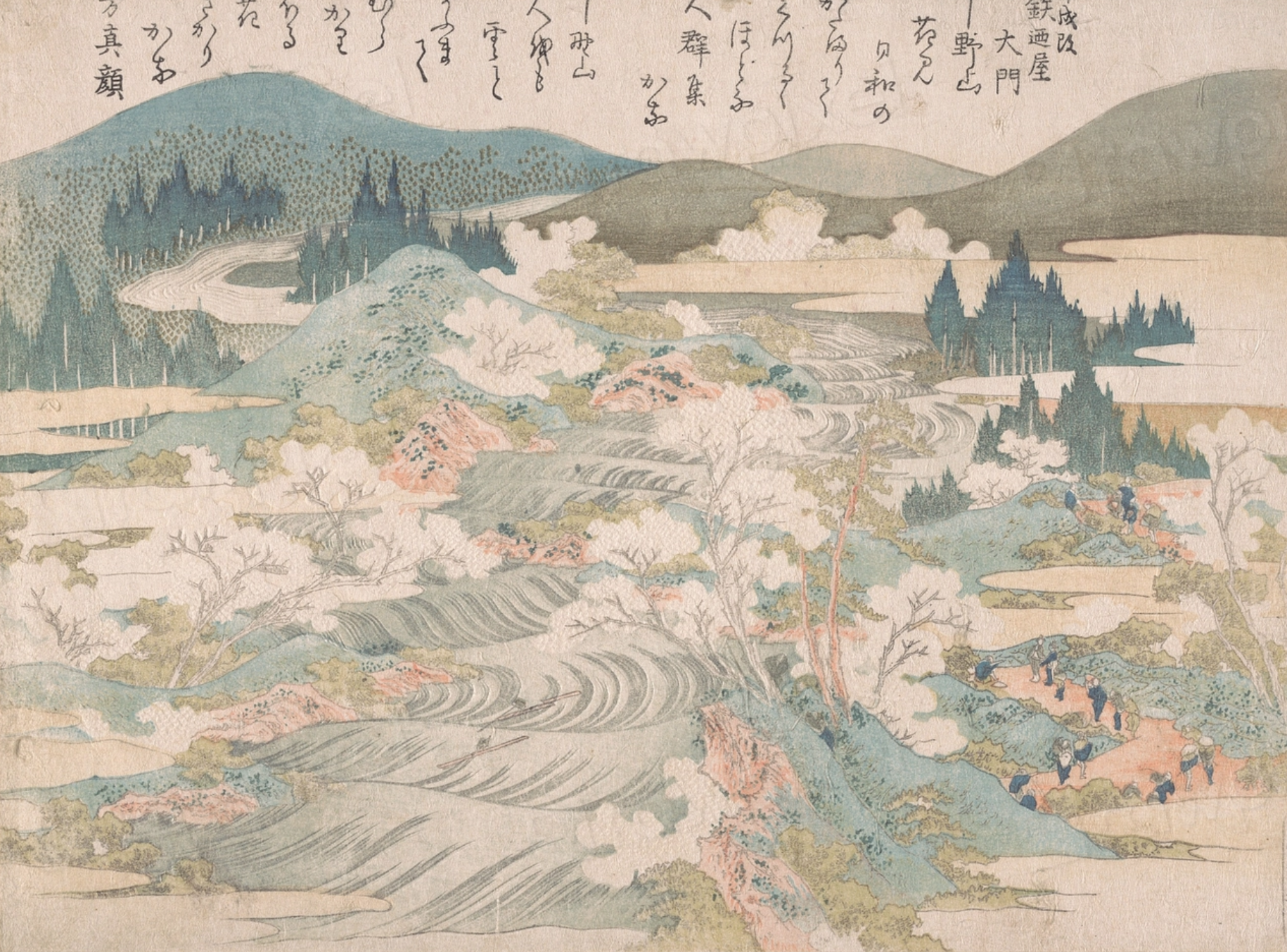 Flowering Cherry Trees Along the Yoshino River (ca. 1830), Katsushika Hokusai
Consider the patterned flow, the restrained palette, the composed scene. This is where an image of “Japanese-ness” has long drawn its force. Does it carry a different kind of emotional weight? Does it make you feel more or less tired?
Where does it pull you in—and where does it hold you at a distance?
Go Further:
日本語訳を見る
外に出てみてください。
自分なりの角度を見つけましょう――通りでも、川沿いでも、駅裏の静かな木でもかまいません。
スケッチしてみる。写真に撮ってみる。あるいは、ただ立ち止まって眺めるだけでも。
そして、それに名前を与えてみてください。
あなたの言葉の中に、触れられそうな感じや重み、そしてはかなさを運ばせてみましょう。
その体験を、頭の中で英語のまま何度も転がしてみてください。自然に流れ出すまで。
もしそれをパートナーや家族と分かち合えたら、それもまたよいことです。
けれど、いちばん大切なのは、この内的な対話そのものです。
Go outside.
Find your own angle—a street, a river path, a quiet tree behind a station.
Sketch it. Photograph it. Or simply stand and observe.
Then name it.
Let your language carry the tactile, the weight, the ephemeral.
Turn the experience over in your head in English until it begins to flow naturally.
If you can share it—with a partner, with family—all the better.
But the essential step is this internal dialogue.
桜を英語としてさらに深めたい方は、スタディポータルへ。
TOP IMAGE: Cherry Blossom, Ingeborg Westfelt-Eggertz
Author