チョークポイントと石油市場の英語ガイド (UPDATED 7.22)
Chokepoints and Oil Markets
Set the Stage
Oil is in the news and it is not simply about the price at the pump. Issues of geography and politics are at hand. Here, in particular, issues with the Strait of Hormuz, a notorious military and trade chokepoint. It is an area through which a healthy share of the world's energy moves and with one of the more belligerent actors on the international stage: Iran.
In this guide, we'll look at 10 expressions such as supply crunch and price in. These are useful not only when reading the news, but also when discussing economics and international affairs.
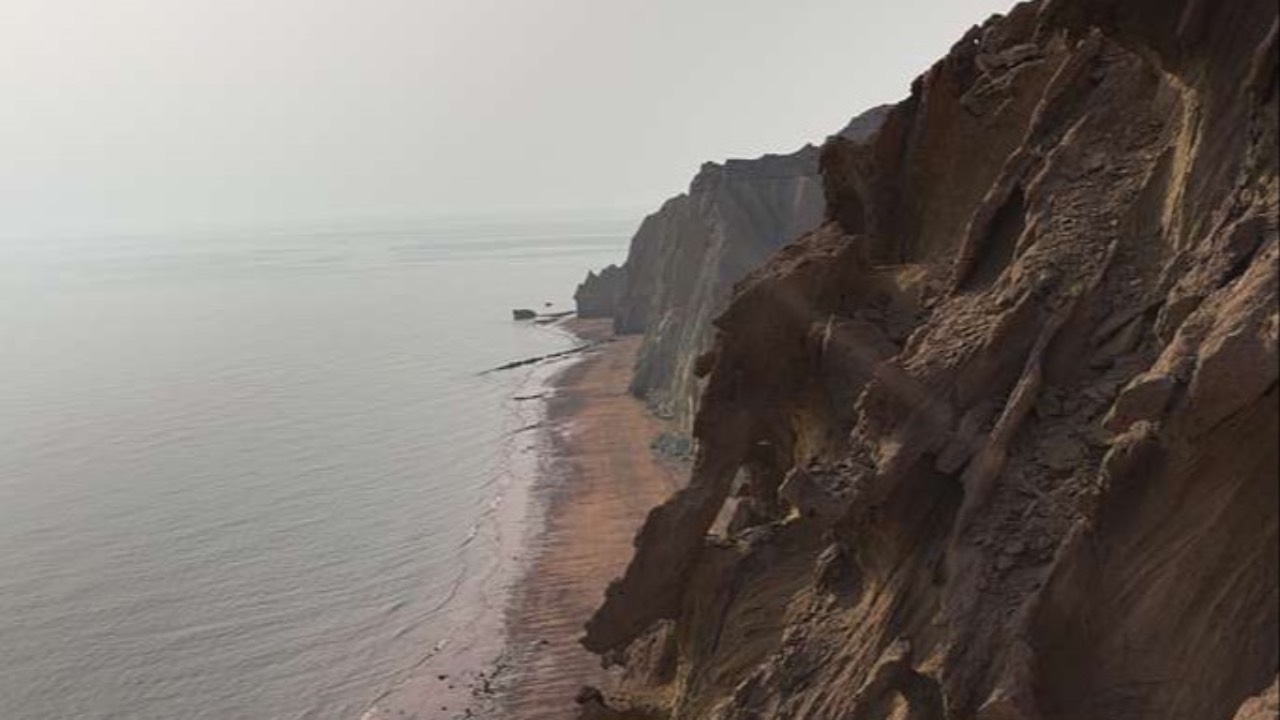
The art in this guide is more utilitarian. The photo in the header is of the bluffs lining the Strait to give you a sense of the austere terrain. The map below provides you with a geographical anchor to appreciate why the word "choke" is a rather apt description.
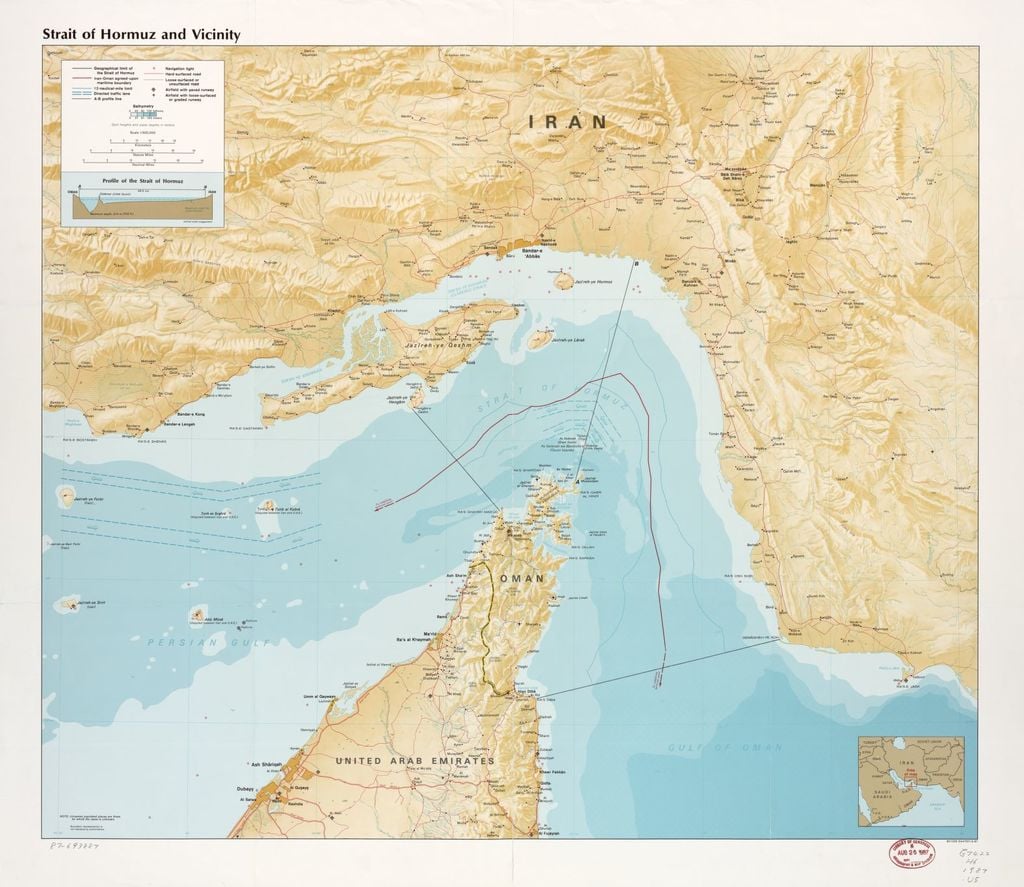
Map of the Strait of Hormuz
上記の日本語訳を読む
石油がニュースをにぎわせています。しかし、問題はガソリン価格だけではありません。そこには、地理と政治が深く関わっています。とりわけ今回注目したいのは、軍事と貿易の双方における悪名高いチョークポイント、ホルムズ海峡です。世界のエネルギーのかなりの割合がこの海域を通過し、その沿岸には、国際社会で強硬な姿勢を取る国の一つ、イランがあります。
このガイドでは、supply crunch や price in など、10の表現を見ていきます。これらはニュースを読むときだけでなく、経済や国際情勢について話すときにも役立つ表現です。
今回のガイドで取り上げるアートは、いつもより実用的な役割を担っています。ヘッダーの写真には、ホルムズ海峡沿いに連なる断崖が写っており、この土地の荒涼とした地形を感じることができます。下の地図は、この地域を地理的に捉えるための手がかりです。なぜここを表すのに「choke」という語がこれほど的確なのかも、見えてくるはずです。
Before jumping into the portal it would behove you to first review the importance of the Strait of Hormuz. Here is a primer from the Brookings Institution, a left leaning though highly respected think-tank in Washington, DC.
👉 An Explainer Video: A simple primer on the importance of the Strait of Hormuz from the Brookings Institution
Here is another explainer but in written form. This time from the Geopolitical Monitor.
👉 An Article: Read this article on the Strait of Hormuz from Geopolitical Monitor
このセクションを日本語で読む
Study Portalに進む前に、まずホルムズ海峡がなぜ重要なのかを確認しておくとよいでしょう。最初に紹介するのは、ワシントンD.C.に拠点を置く、リベラル寄りではあるものの高い評価を受けているシンクタンク、ブルッキングス研究所による短い解説動画です。
👉 解説動画:ブルッキングス研究所による、ホルムズ海峡の重要性についての簡潔な入門解説です。
続いて、同じテーマを文章で解説した記事も紹介します。こちらは、国際情勢を扱うメディア、Geopolitical Monitorによるものです。
👉 解説記事:Geopolitical Monitorによる、ホルムズ海峡とチョークポイントの力についての記事です。
An Interview:
Then there is the adversary hook. Listen to this interview from international journalist, Christiane Amanpour's news group on the American broadcast channel PBS. It is an interview with the vice president of S&P Global and authority on global energy. The discussion focuses on how Russia and China factor into the conflict. 👇
インタビュー紹介を日本語で読む
そしてもう一つ、対立国という切り口から考えてみましょう。国際ジャーナリスト、クリスティアン・アマンプールの番組制作チームが、アメリカの公共放送PBSで行ったインタビューです。
登場するのは、S&P Globalの副会長であり、世界のエネルギー問題に詳しい専門家です。議論では、今回の対立にロシアと中国がどのように関わっているのかが中心的なテーマとなっています。
Use It or Lose It:
After reviewing the resources above and practicing with the study portal below, ruminate on the larger ideas.
Why not convene a family meeting or discussion with your favorite chatbot or online group to air your feelings with regard to Japan's energy dependence. How these political concerns not only with oil, but also rare earths and so forth put pressure on the economy and overall Japanese psyche.
Assess in which you have become poorer or richer due to events of late.
Recognize that there are avenues to lend assistance if such is your good fortune to be able to provide. Humanitarian groups such as below are always in need of funding:
👉 Doctors without Borders
👉 The International Federation of Red Cross and Red Crescent Societies
問いかけを日本語で読む
上の資料を確認し、下のStudy Portalで練習したあとは、その背後にある、より大きな問題についてゆっくり考えてみましょう。
家族で話し合う時間を設けてもよいでしょう。お気に入りのチャットボットやオンラインコミュニティと意見を交わすのも一つの方法です。日本のエネルギー依存について、自分が何を感じているのか言葉にしてみてください。
石油だけでなく、レアアースをはじめとする資源をめぐる政治的な不安が、日本経済や人々の心理にどのような圧力をかけているのかも考えてみましょう。
近年の出来事によって、自分の暮らしがどのような面で貧しくなり、またどのような面で豊かになったのかを振り返ってみてください。
そして、支援する余裕に恵まれている場合には、力を貸すための道があることにも目を向けてみましょう。以下のような人道支援団体は、活動を続けるための寄付を必要としています。
May the language and ideas here lead you forward in more meaningful ways.
Best,
Derek
他のテーマでは、 英語記事・和訳文・音声・語彙・文法・クイズ・スラッシュリーディングまで、 すべて購読会員さま向けに、Study Portalにてご覧いただけます。
Author