Cicada Bell
蝉が鳴けば、夏が始まる。|俳句とともに味わう日本の夏
日の出より蝉鳴くまでの読書かな
下記の英文を日本語で読む
正直なところ、これほど表面的には悪魔めいて見える虫を、時計のようにごく日常的で、ありふれたものとして捉える発想には、どこか純粋なものを感じます。いかにも日本らしい感覚で、アメリカ人にはなかなかそのまま伝わりません。
北米にもさまざまな種類のセミが生息しています(詳しくは下のNative Linkをご覧ください)。けれど、セミが親しみのある存在として暮らしの中に深く根づいている、という感覚はあまりありません。アメリカ人もセミの存在には気づきますが、たいていはそのまま気に留めずに過ごします。
けれど日本では、梅雨が明け、セミの規則正しい甲高い声が聞こえ始めるまで、夏はまだ始まっていません。天文学上の季節が何と言おうと、です。
だからこそ、美津穂の俳句には、はっきりと日本的な美意識が感じられます。セミの声があまりにも当たり前のものとして、日々の流れそのものに溶け込んでいるからです。
けれど、この句の力は、その対比にもあります。
I must say it strikes me as wholly pure: the idea of using such a devilish (if only on the surface) bug as something so domestic and banal as a clock. A Japanese bent that doesn't quite translate for an American. North America is home to a variety of cicadas (see the native link below) but that they become an endearing or embedded part of life falls flat. An American recognizes and mostly ignores. But in Japan, summer has not begun (Forget whatever astronomical time has to say!) until the rains have stopped and the rhythmic shrill of the cicadas begins.
That is what plants Mizuho's haiku squarely in a Japanese aesthetic: that this bug is so regular a thing as to be one with the everyday flow. But it is also potent for its sense of contrast.
下記の英文を日本語で読む
このテーマを扱った俳句には、もっと瞑想的なものもあります。
身の上と知らずに蝉のもぬけかな(下のNative Linksで紹介している書籍304ページ、宗歩)は、仏教の「無我」という考え方を思わせます。今ここにあるものも、永遠にそこにあるわけではありません。私たちが「自分」だと思っているものも、実は移ろいゆく仮の姿にすぎない。その意味で、残された「抜け殻」という存在が静かに響いてきます。
あるいは、芭蕉の やがて死ぬ景色は見えず蝉の声 もそうです。ここにもまた、いつか誰もが死を迎えるという、仏教の「無常」の思想が流れています。その時がいつ訪れるのかは、誰にも分かりません。
もちろん、美しい句です。ただ、「人生とは」「生と死とは」といった哲学的な重みを背負った作品は、現代の読者には少し肩肘張ったものに感じられることもあります。
だから私は、美津穂の句に惹かれます。そこには、そうした重たい説明がありません。セミはただ夏の風景の一部として鳴いているだけ。そしてその声が、「さて、本を閉じて一日を始めよう」と教えてくれる。その何気ない素朴さが、この句をとても愛らしいものにしているのだと思います。
Other iterations on this idea are more meditative.
“身の上と知らずに蝉のもぬけかな
by Master Shuho (pg. 304 in the native links below) brings one to the Buddhist idea of non-self and that "all that is", is only for "now", but then, not really: More just an illusion. Thus, that "shell".
Or take:
“やがて死ぬ景色は見えず蝉の声
by Mr. Basho. Another idea resting on a larger, again, Buddhist principle of mutability: that we shall all sooner or later ("when"unbeknownst to us) die.
Beautiful. But full of that bathos and pathos and other philosophical fodder that invites a tedious yawn if not an eye-roll to the modern reader. And that is the beauty of the Mizuho piece. There is none of that heavy lifting. The cicada is part of the summer vibe. It tells us when it is time to stop reading and get on with the day. A simplicity that makes it endearing.
下記の英文を日本語で読む
ここまでで心が動いたなら、この先はスタディポータルでご一緒しましょう。語彙や文法を一つひとつ丁寧にひも解きながら、音読・ディクテーション・シャドーイングを通して、この俳句をより深く味わっていきます。
If this sparks your curiosity, the Study Portal is where we slow everything down. We'll unpack the vocabulary, examine the grammar, and work through the poem in detail with audio, dictation, and shadowing practice.
下記の英文を日本語で読む
さらに興味を持たれた方は、ぜひこちらもご覧ください。Real Scienceによる、北米のセミについての本格的な解説動画です。
2024年には、周期の異なるセミの大発生(Brood)が同じ年に重なり、各地がこれまでにないほどのセミの大合唱に包まれました。その出来事も、この動画で分かりやすく紹介されています。
A DEEP-DIVE VIDEO
For those of you with the interest. Here is a proper explainer on the North American variety of Cicadas from the creators at Real Science. There was a real brouhaha in 2024 when broods converged and the summer was overwhelmed in cicada calls.
下記の英文を日本語で読む
宗歩の辞世の句が収められている書籍も、ぜひ手に取ってみてください(304ページ)。下のリンクから、Internet Archiveで無料閲覧できます。
利用にはメールアドレスでの無料登録が必要ですが、世界中の書籍をデジタルで公開している、とても素晴らしい図書館です。もしまだご存じなければ、この機会にぜひ。購入する前に内容をじっくり読んでみたいときにも、本当に便利なサービスです。
A DEEP-DIVE READING
Read the book from which Master Shuho's death poem came (pg. 304). Sign up with the Internet Archive and gain access to a universal digital library that allows you to read for free. If you do not know this resource, you should! Again, you must sign-up with just your email but it is great resource for exploring before deciding to invest in your own collection.
下記の英文を日本語で読む
読み終えたら、ぜひこんなことも考えてみてください。
- 三つの俳句を、それぞれ味わいのある英語へ訳してみましょう。形式を優先しますか。それとも響きでしょうか。意味でしょうか。あるいは、読んだ瞬間のインパクトでしょうか。
- あなた自身の一日のリズムにも目を向けてみましょう。この俳句では、セミが「時計」の役割を果たしています。では、あなたにとって時間の流れを知らせてくれるものは何でしょうか。お気に入りのテレビ番組でしょうか。近所の人たちが散歩に出かける姿でしょうか。それとも、「そろそろ散歩の時間だよ」と催促する愛犬でしょうか。
- 逆に、あなた自身は誰かにとってそんな存在になっているでしょうか。宗歩や芭蕉の俳句に流れる仏教的な視点にならい、少しだけマインドフルに、自分と周りとのつながりについて考えてみてください。
Once finished ruminating on the selection above consider:
- Rendering the three poems into equally vibrant English. Will you prioritize structure? Sound? Meaning? Or more the punch?
- Reflecting on your own motion. Here the cicada is a clock. What other non-timepieces are used to gauge your sense of the day? Could it be a TV program, maybe neighborhood lady-friends taking their walk, your dog whimpering to keep you on his schedule?
- In what ways do you function as that rhythm for other people? In the spirit of the Buddhism of Master Shuho and Mr Basho: employ some "mindfulness".
下記の英文を日本語で読む
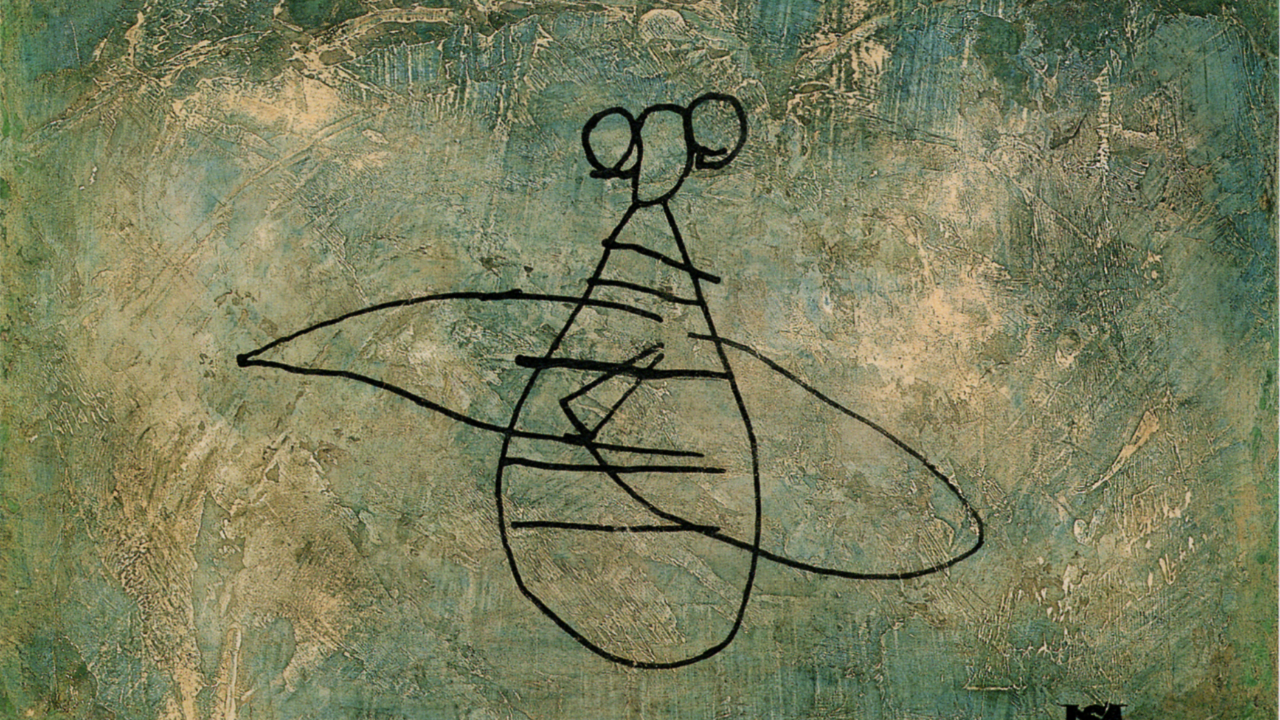
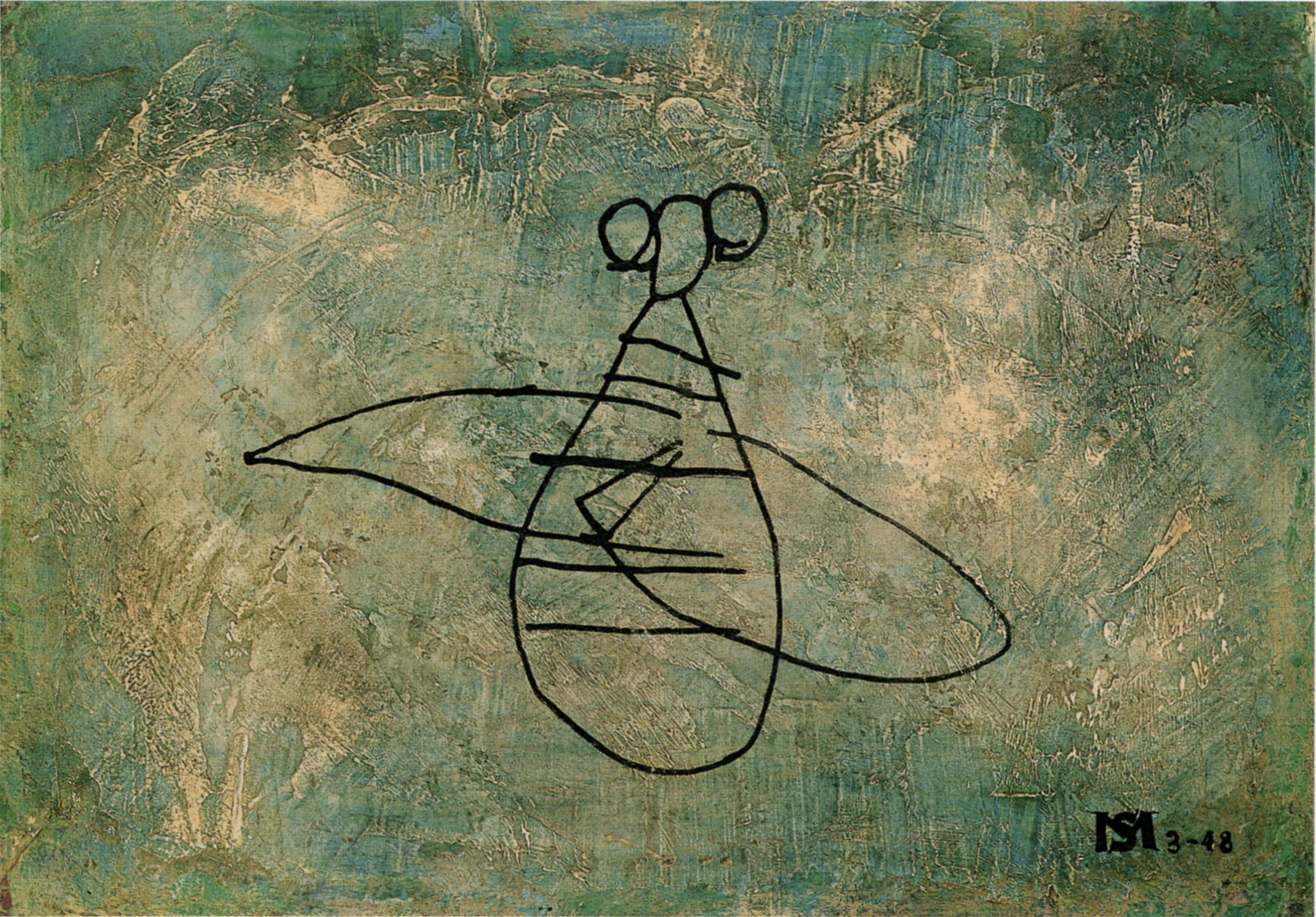
今回アート作品として組み合わせたのは、20世紀を代表する日本の画家、松本竣介の《せみ》(1948年)です。
抽象的な背景に、子どもが描いたような無邪気な線が重ねられたこの作品は、冒頭で私が抱いた率直な戸惑いを見事に表現しているように思えます。
「こんなにも騒々しく、どこか悪魔めいた虫が、日本人の心をこれほどまでにつかんでいるなんて。」
……そう感じるのは、やはり私だけでしょうか。
A VISUAL FRAMEWORK
Here our artistic pairing is with 20th century modernist painter, Shunsuke Matsumoto. His abstract background and childish scribble-overlay perfectly animates my disbelief in the opening above: What a devilish bug to have taken the Japanese heart! Am I wrong?
With the firmest of smiles,
- Derek
\ 無料公開パートはここまでです /
いかがでしたか?今回ご紹介した内容は、有料プランでお届けしているコンテンツの前半部分です。
後半部分は「スタディポータル」にて、さらに一歩踏み込んでお届けしています。
後半(有料プラン)では、ネイティブが使い分ける「生きたニュアンス」や、すぐに使える「洗練された英語」を解説しています。あなたの英語力がさらに飛躍し、目標を叶える力になれば嬉しいです。
ぜひ、残りの後半パートを手に入れて、本物の英語力を武器にしてください。
英語とともに日々を歩まれることを、心より願っています。