再生をかたちにするもの — モノ・食卓・意味 | SEED of THOUGHT
Symbols of Renewal — Objects, Meals, and Meaning
日本語訳を見る
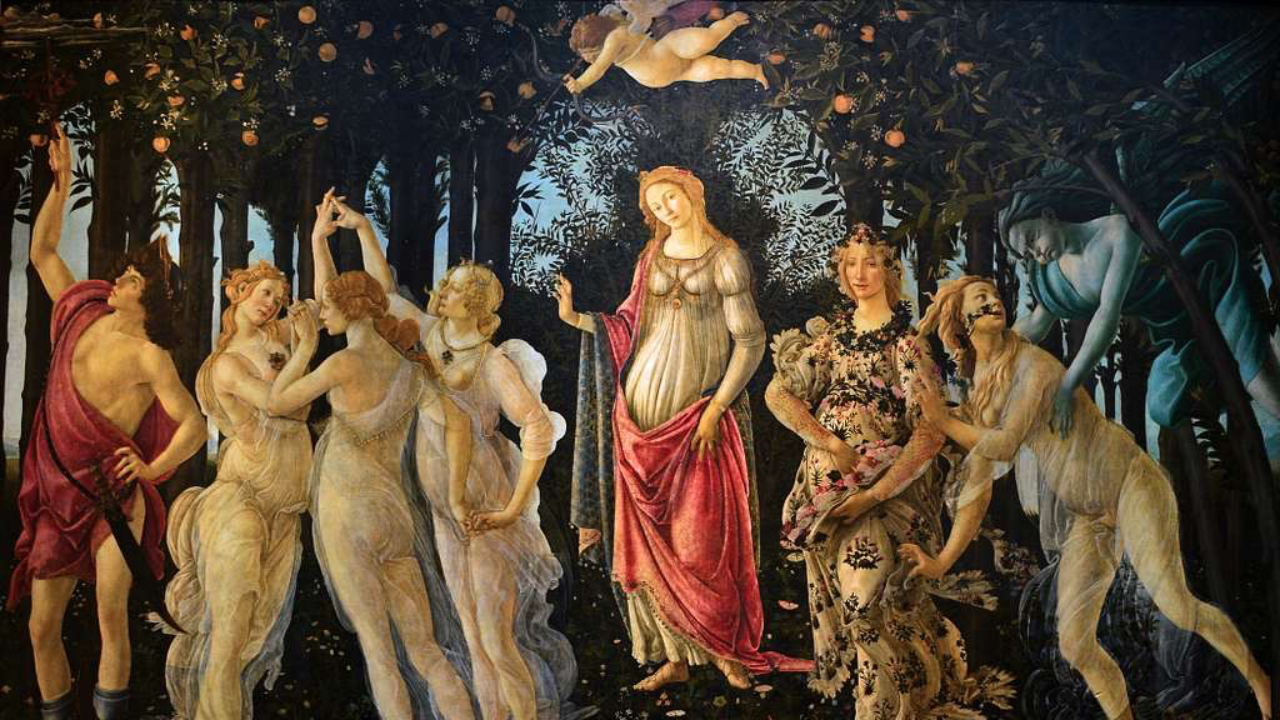
ボッティチェリの《プリマヴェーラ》が、その感覚をよく表しています。花々が咲き広がり、若さが芽吹きはじめる瞬間。まだそこには至っていないけれど、確かに近づいてきている——再生の季節です。
こうした変化は、どの文化においても抽象的なままにはされません。モノや食事、人の集まり、語り継がれる物語といった「かたち」を通して表されます。日本では、花見や桜の下での時間、新年度の始まりといったかたちでそれが現れます。
西洋では、それがイースターとして表れます。宗教的な意味合いを持つ場合もあれば、クリスマスのように文化的・商業的な側面が強い場合もあります。卵を飾り、食卓を囲み、儀式が行われる——それぞれが「再生」という考えを目に見えるかたちにしています。
今週のシードでは、これをひとつの文化的な実践としてとらえてみます。
単にイースターを知るのではなく、「意味はどのように運ばれるのか」に目を向けます。なぜそれが象徴になるのか。人はどのようにそれを共有するのか。そして、それはなぜ続いていくのか。
最終的な目標は、こうした文化を理解するだけでなく、自分の言葉で英語として語れるようになることです。
Botticelli’s Primavera captures it: fields in bloom, blossoms unfolding, youth just beginning to stir. We are not quite there yet, but it is coming. The season of rebirth.
Across cultures, this change is rarely left abstract. It is given form through objects, meals, gatherings, and stories. In Japan, it appears in blossom viewing, in picnics beneath the cherry trees, and in the decisive start of the new academic and fiscal year.
In the West, this same impulse takes shape in Easter—sometimes religious, sometimes cultural or commercial, much like Christmas. Families decorate eggs, share meals, and observe ceremonies. Each of these makes renewal visible.
Over the coming week, commit to a cultural practice.
Learn about Easter here,
then move into experience. Keep a short journal of how meaning is carried.
As you go, consider the following: How does something become a symbol? How do people share that meaning? And how does it last?
By the end, the goal is not only to understand these traditions, but to speak about them—and about your own—in clear and thoughtful English.
Here are some words to help you. ⇩
語彙の日本語ヒントを見る
文化や季節の「意味」を英語で語るための語彙です。モノ・行為・背景にある考えを結びつけて説明するときに使います。
再生・新たな始まり
〜の象徴
AをBと結びつける
(考えなどに)形を与える
季節の習慣
(宗教・文化的な)行事・儀礼
〜に根ざしている
〜にさかのぼる
〜と混ざり合う・融合する
節目・目印として機能する
意味を帯びている・運ぶ
変化・移行を示す
Go Further:
日本語訳を見る
今週は、文化を「理解する」のではなく、実際に体験してみましょう。
① 卵を使って、再生をかたちにする:
卵をゆで、色をつけ、模様を描きましょう。室内でも外でも、小さなエッグハントをしてみても構いません。
少しだけ「子どもの感覚」に戻ってみてください。
そのうえで、「なぜ卵が再生の象徴なのか」を英語で説明してみましょう。
② 食卓で意味を分かち合う:
春の食事を用意しましょう。ラム料理でも、季節の食材でも構いません。
その美しさや味だけでなく、「なぜそれが春と結びついているのか」を話してみてください。
その意味は、どのような歴史や習慣に根ざしているのでしょうか。
③ 文化を観察し、自分の中に引き寄せる:
教会の礼拝やオンライン配信を見てみましょう。宗教的でなくても構いません。
多くの人にとって、それは心を整える時間や、季節の区切りとして機能しています。
神社やお寺での春の行事と比べて、どのように感じるでしょうか。
④ 表現としてとらえる:
春の感覚を表す音楽や絵画をひとつ選びましょう。あるいは、自分で何かを作ってみても構いません。
それはどのように「再生」や「始まり」を表しているでしょうか。
最後に、それらをひとつにつなげてみましょう。
あなたにとって「春」とは何でしょうか。単なる季節でしょうか。それとも、何かを整え直すための節目でしょうか。
This week, move beyond observation. Easter falls on Sunday, but these activities can be spread throughout the week as a broader engagement with the season.
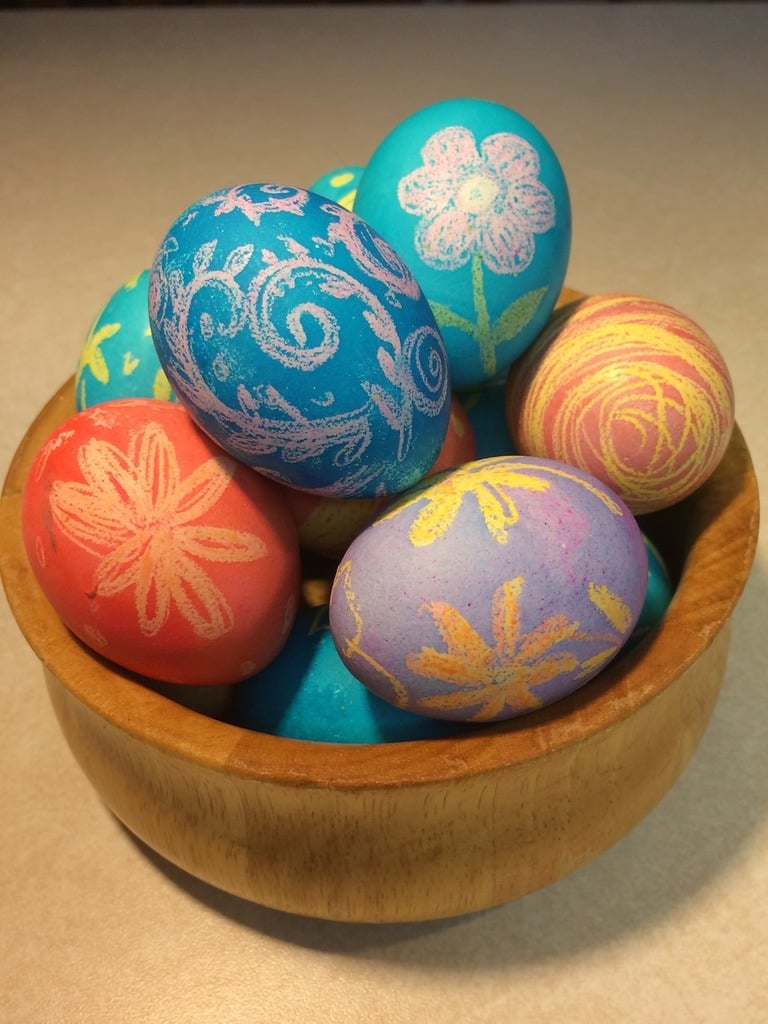
1. Begin with the egg.
Perfect for the weekend. Boil it. Color it. Mark it. Hide it—indoors or out—and take part in a small hunt.
Allow yourself, briefly, to return to that sense of play.
Then explain: why is the egg a symbol of renewal?
2. Move to the table.
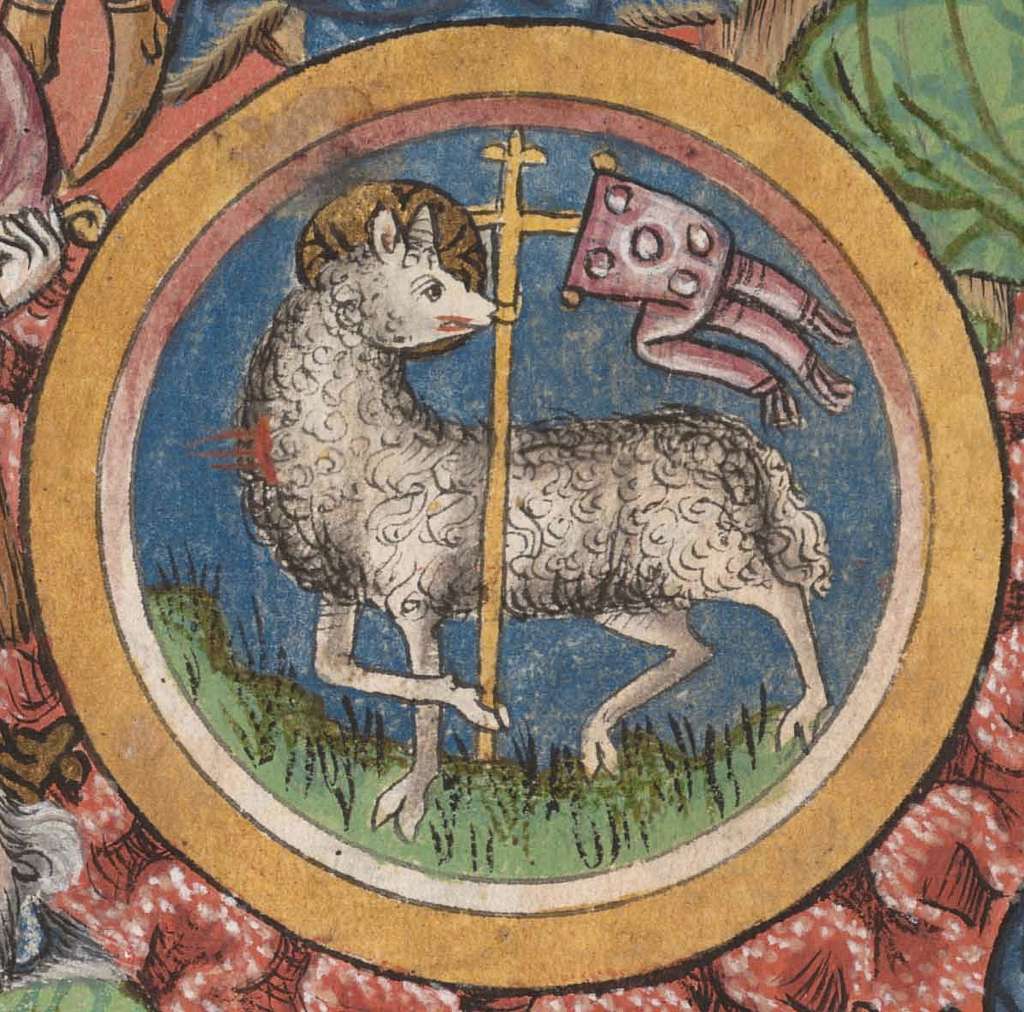
Prepare or imagine a spring meal. Lamb, in many traditions, serves as a seasonal touchstone—both elegant and deeply symbolic.
Share the meal with someone close to you, and let the conversation move beyond taste.
What does the meal mean? Where is that meaning rooted? Can you understand the perspective that led to it?
3. Observe a ceremony.
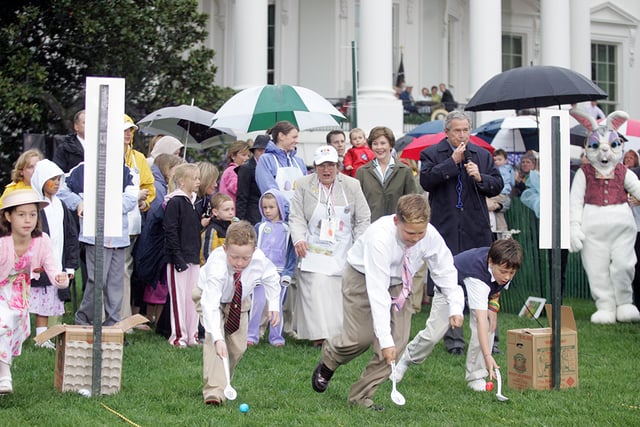
Attend a service—in person or online—or watch a recording from abroad. The Vatican broadcasts its services online.
Many who take part are not strictly religious; for them, it can serve as a way of steadying the emotional center, or marking a passage in time.
How does this compare to spring observances at shrines or temples?
4. Find an expression.
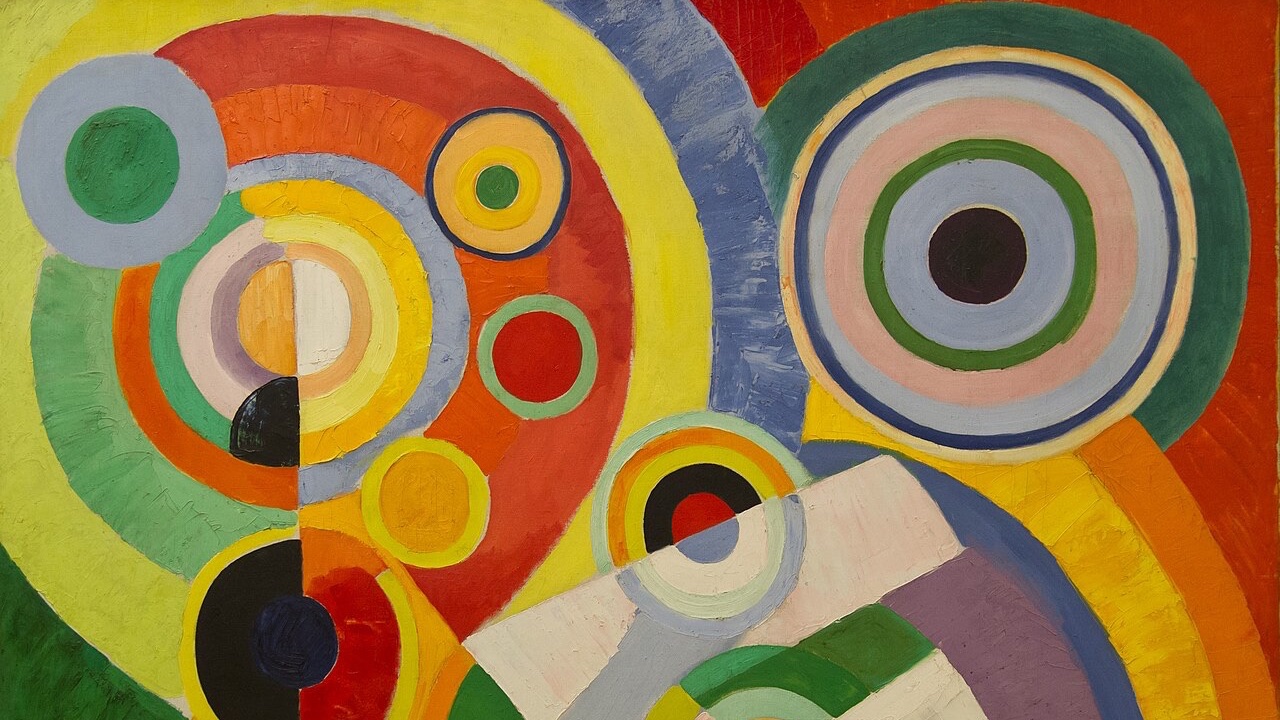
Choose a piece of music, a painting, or even a museum exhibition that captures the feeling of spring.
For me, it is the Masaoka Shiki haiku:
故郷やどちらをみても山笑ふ
— it captures the life, the joy, and the sense that everything is still to come.
What strikes you in this way?
Or better yet, create something of your own.
Finally, bring it together in your journal—digital or otherwise.
日本語訳を見る
最後に、それらをひとつにまとめてみましょう。デジタルでも、紙でも構いません。自分のための記録として残してみてください。
私自身は、やはり紙に触れる感覚が必要だと感じています。専用のノートやファイルを用意し、書く、打つ、描く——どんな形でもかまいません。あとから何度も立ち返れるようなかたちで残していきましょう。
このプロセスに、必ずしも他の誰かは必要ありません。自分の内側で対話をつくること——自分に語りかけたり、あるいはAIに向けて言葉にしてみるのもよいでしょう。
こうした関わり方が、より深く、そして長く残る英語の力へとつながっていきます。
私自身は丸善のルーズリーフ用紙を使い、机の引き出しにしまっています。トラベラーズノートのように、リフィルを入れ替えながら使える柔軟なノートを好む方も多いようです: https://www.travelers-company.com
Personally, I need the tactile quality of the latter. Use a dedicated notebook or portfolio. Write, type, sketch—whatever form allows you to return to your thoughts over time. You do not need anyone else for this process. Create an internal dialogue—speak to yourself, or even to an AI. This kind of engagement builds a deeper, more lasting command of the language.
I personally use loose-leaf Maruzen letter paper and keep it in a desk drawer. Many people enjoy Traveler’s Notebooks—flexible, refillable systems: https://www.travelers-company.com.
文化を英語で語る力をさらに深めたい方は、スタディポータルへ。
Primavera (1482), Sandro Botticelli
Author